
What “Relax Gaming online casinos” actually means in Australia
Anyone searching for a Relax Gaming casino in Australia is, in practice, searching for an offshore site that has chosen to take Australian customers in spite of the Interactive Gambling Act 2001. Relax Gaming itself is a real, regulated supplier — licensed by the UK Gambling Commission, the Malta Gaming Authority, Gibraltar’s Gambling Division, Romania’s ONJN and Ontario’s AGCO — and its games run on hundreds of real-money sites worldwide. None of those licences extends to Australian players. The IGA makes it an offence to provide an Australian-based customer with online casino games or online pokies, and not a single Australian state or territory licences that product. So the choice a person in Australia is actually making is not “which Relax Gaming casino” but “which unregulated site advertising Relax Gaming titles will I open an account with, knowing the ACMA can ask an ISP to block it tomorrow with whatever balance is on it.” That is the question this page is built around.
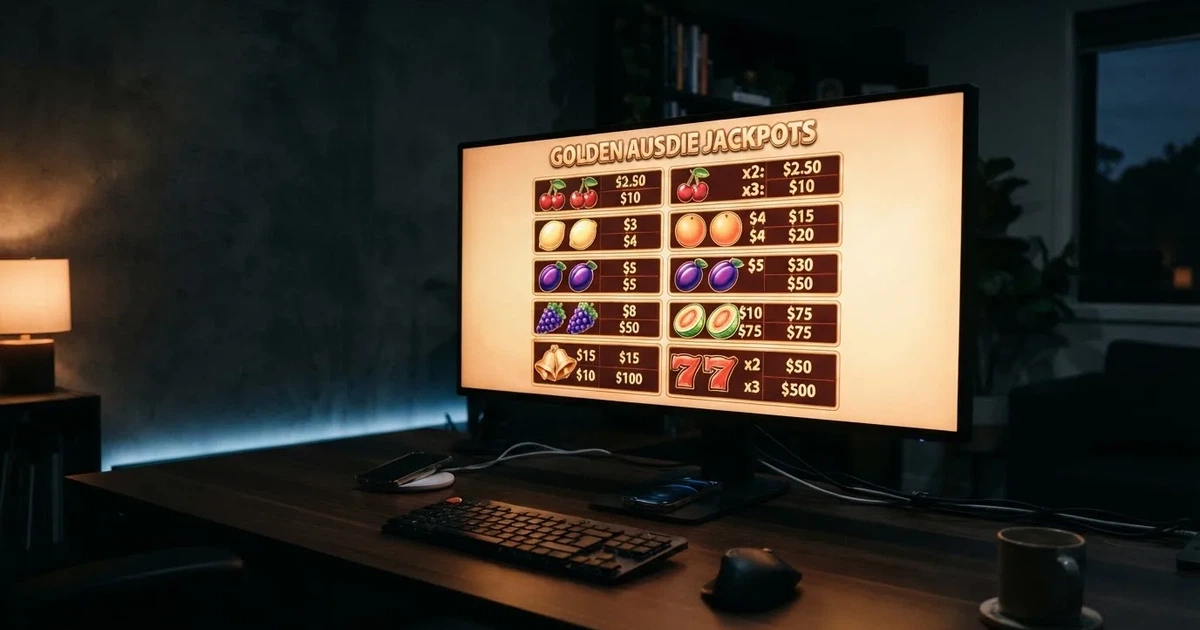
The market snapshot is taken as of 7 November 2026 and verified against the ACMA register and ACMA blocking notices.
Table of Contents
- What Relax Gaming is — and isn’t
- The ACMA’s enforcement record against offshore Relax Gaming hosts
- Land-based Relax Gaming content: the licensed side
- The licensing frame an Australian reader is actually under
- Responsible gambling supports and what each one actually covers
- Payments and payout speed on the offshore brands
- Bonuses and free spins: what an offshore offer actually costs
- Mobile play on offshore Relax Gaming hosts
- How this comparison is put together
- The blocking-rate arithmetic behind the ACMA’s record
- Operator write-ups: what each ACMA-named brand actually is
- Where a player in Australia actually has to go
- What to do when an unlicensed site keeps advertising
- What the 2026 reform changes
- The bottom line
- Frequently asked questions
What Relax Gaming is — and isn’t
Relax Gaming is a Stockholm-founded content studio whose commercial and product hub sits in Malta, with additional teams in Estonia, Sweden and Serbia. Patrik Österåker and Jani Tekoniemi started the business; by 2 July 2021 Kindred Group had agreed to acquire the remaining 66.6% it did not already own at an enterprise value of up to EUR 320 million. The current “About” page marks the studio at more than 300 employees based in Mallorca — a number that has grown considerably from earlier milestones. Relax Gaming’s catalogue covers video slots, table games and live-dealer titles, which is why so many offshore casinos describe it as a one-stop content partner.
The licensing footprint is the point that matters for an Australian reader. Relax Gaming’s licences are issued by the UK Gambling Commission (account 37462), the Malta Gaming Authority, the Gibraltar Gambling Division, the Romanian ONJN and the Canadian AGCO. What none of those regulators do is license an operator to take a customer who is physically in Australia. A site licensed in Malta or Curaçao can carry Relax Gaming games and accept Australian sign-ups, but it is doing so without an Australian licence, and the ACMA has spent the last several years systematically identifying which sites are doing exactly that.
A handful of related studios come up repeatedly on the same offshore sites. 1spin4win, founded in 2021 by a team with fifteen years of iGaming experience, releases HTML5 slots aimed at low-bandwidth connections and now runs a 190+ title portfolio from Curaçao. BGaming’s brand debuted in 2018 and offers more than 250 certified games across slots, video poker, lottery, card, scratch and crash formats. Betsoft, founded in 2006, publishes a 200+ RNG catalogue and operates under Italy’s ADM framework with RNG certification from Quinel and GLI. None of these companies holds an Australian licence either, and their games appear on the same set of offshore brands that the ACMA has acted against.
The ACMA’s enforcement record against offshore Relax Gaming hosts
The Australian Communications and Media Authority is the regulator that names names. Since November 2019 the ACMA has asked Australian ISPs to block illegal gambling and affiliate-marketing websites, and as of the 26 June 2026 round the running total stands at 1,751 blocked sites, with more than 230 unlicensed services having left the Australian market since enforcement was strengthened in 2017. The 26 June 2026 round alone added twelve new domains to the block list: 7Signs, ChromaBet, Donbet, Duospin, Freshbet, Slots Gem, Jacks Club, Lucky Start, Pointsbetz.com, Spinrise, Vinyl Casino and Wildsino. Blocking is the headline lever, but the quieter lever is the formal warning, and that is the lever this page tracks, because a warning is the ACMA’s record of which operator runs which site.
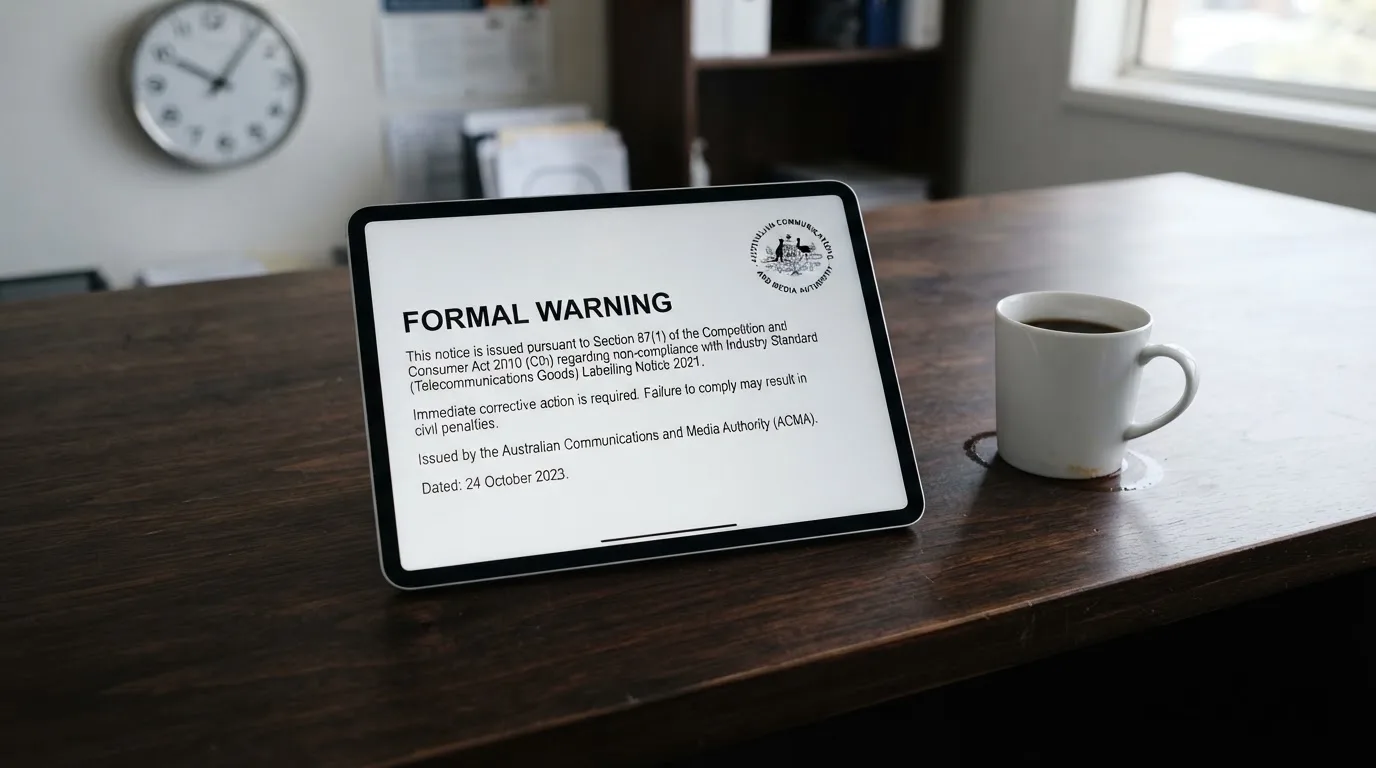
The current crop of formal warnings covers the eleven brands in this comparison. Pulsup Ltd was warned in March 2026 over Rocketplay.com.au. Dama N.V. was warned in May 2022 over six casino brands (Bambet, Dazard, Level Up, Rocketplay, Wild Tornado and Cobra Casinos), then again in March 2025 over Woo Casino and in May 2025 over Spirit Casino. Bamboo Media was warned in July 2025 over Ignition Casino. Consolutetish S.R.L. was warned in July 2025 over National Casino and Bizzo Casino — and Bizzo had already been the subject of a 2022 formal warning to TechSolutions (CY) Group Limited and TechSolutions Group N.V. EOD Code SRL was warned in February 2025 over Instant Casino. Ryker B.V. was warned in April 2026 over Jackbit and CasinOK. Sterplay Holding Ltd was warned in April 2025 over Casino Intense. Hollycorn N.V. was warned in September 2022 over Sky Crown and Blue Leo. Each warning is a public record that an operator was found offering a prohibited interactive gambling service to people in Australia.
H2 Gambling Capital’s 2025 estimate is that Australians lose around A$3.9 billion a year to illegal offshore sites, and that the share of gambling flowing through legal Australian channels has fallen from 74% in 2021 to 64% — a ten-point drop in four years. The dollar loss is not a precise measurement; the trend is.
Land-based Relax Gaming content: the licensed side
The Australian pokies a player actually encounters in a pub or club are not Relax Gaming products. The dominant onshore manufacturer is Aristocrat Leisure Limited, headquartered administratively at North Ryde in Sydney, with development offices in South Africa, Russia and the United States. Aristocrat was founded by Leonard Ainsworth in 1953 and listed on the ASX in 1996 under the ticker ALL. The company is the largest gambling-machine manufacturer in Australia and the second-largest slot manufacturer worldwide behind International Game Technology. Reported 2025 revenue was A$6.30 billion on a normalised net profit after tax and amortisation of A$1.55 billion, with 7,400 employees across the group. Aristocrat Interactive, the regulated online real-money arm formed in April 2024 out of Anaxi and the newly acquired NeoGames group (Aspire Global, BtoBet and Pariplay), is a separate online business, but it does not offer Relax Gaming-branded games, and it is not licensable for Australian customers under the IGA. The licensed venue a person walks into is regulated by state and territory authorities, not by Relax Gaming and not by an offshore operator.
The licensing frame an Australian reader is actually under
The Interactive Gambling Act 2001, as tightened by the Interactive Gambling Amendment Act 2017, makes it an offence to provide online casino games, online pokies or in-play betting to a person in Australia. The product itself is prohibited; it is not licensed, conditionally or otherwise, in any state or territory. The NTRWC, the Northern Territory Racing and Wagering Commission, regulates fifty-two of Australia’s online bookmakers — including Sportsbet, Bet365 and Ladbrokes — but its remit is wagering on races and sport placed before the event, lotteries and keno. The commission has no full-time staff and meets once a month in Darwin. It is not, and has never been, an online casino regulator.
What that means in practice is the layer every offshore site is sitting on. An offshore site can hold a Curaçao sub-licence, a Malta MGA licence or a Kahnawake licence, and not one of those licences authorises the provision of prohibited interactive gambling services to Australians. The licence the site displays in its footer is real for the jurisdiction that issued it; it does not extend to Australian customers. The ACMA’s enforcement record is the public record of where those licences run out.
A 2026 reform layer sits on top. The Interactive Gambling Amendment (Gambling Reform) Bill 2026 passed Parliament on 19 August 2026. Its advertising and inducement measures commence 1 January 2027 — law with a start date, not yet in force on a page read in 2026, but it is the direction travel.
Age, payments and the consumer-protection gap
The minimum age for any Australian-licensed gambling product is 18. Credit cards, credit-related products and digital currency have been banned as a payment method for licensed online wagering since 11 June 2024, with penalties of up to A$247,500 for an operator that accepts them. Legal deposit routes for licensed wagering are debit card, bank transfer, PayID/Osko and BPAY. A site that asks an Australian customer for a credit card or a crypto deposit is, by definition, operating outside the Australian rules. The licensed wagering bookmaker has to verify the customer, has to keep a transaction record, and is bound by Australian dispute resolution. The offshore casino accepting the same deposit does none of that, which is the practical reason an offshore site gives no Australian consumer protection, no complaints body and no recourse if a withdrawal is refused.
The Australian Taxation Office treats gambling winnings of a recreational player as non-assessable income under section 6-5 of the ITAA 1997, and losses are not deductible. The position changes if the ATO characterises the activity as a business of gambling, which is a question of fact — speak to the ATO if it matters to the reader.
Responsible gambling supports and what each one actually covers
BetStop, the National Self-Exclusion Register, has been live since August 2023 and binds Australian-licensed online and phone wagering services. It is the right tool for a punter who wants the licensed bookmakers to refuse their account. An offshore casino is not connected to BetStop — the register cannot exclude a player from a site the regulator does not licence — so for an offshore customer the register does not do what its name suggests. The National Gambling Helpline is 1800 858 858, free, 24/7, with chat through Gambling Help Online. State and territory bodies run their own self-exclusion and counselling services on top of the national line. None of these services are a substitute for choosing not to open an offshore account in the first place, but they are the right contact if gambling has stopped being a choice.
The single piece of consumer protection an offshore player gives up by playing offshore is recourse. A licensed Australian wagering service is answerable to an Australian regulator; an offshore service is not. If a withdrawal stalls, an account is closed mid-session, or a bonus term is applied retroactively, the only avenue is the offshore operator’s own complaints process, with the licence issuer at the end of that road if at all.
Payments and payout speed on the offshore brands
The offshore sites that carry Relax Gaming titles and accept Australian sign-ups are not part of the Australian payments regime. A deposit is typically taken by Visa or Mastercard (against the 11 June 2024 rule for licensed wagering), by bank transfer, by e-wallet or in cryptocurrency — the same set of methods used by any Curaçao- or Malta-licensed site worldwide. The advertised payout times on these sites cluster between instant and seventy-two hours for e-wallets and crypto, with bank transfers running three to seven business days. Those numbers are what the sites publish; they are not what the ACMA’s enforcement record implies. A site that has been added to an ISP block list in the same calendar year is not a site whose payouts are reliably on schedule, because a blocked site takes its balance with it.
The verified settlement time a player can expect depends on the payment rail, not on the operator. Crypto settles on the blockchain in minutes once the site releases it; e-wallets settle once the operator’s payments team has approved the withdrawal, which is where most of the delay sits. Card withdrawals run on the card scheme’s window, typically three to five business days. A player who needs the money in a hurry is choosing between an offshore operator’s own queue and an Australian bank’s own queue, both of which are outside the reader’s control.
The settlement times by method
Crypto: usually minutes once the operator releases; the wait is the operator’s release, not the blockchain. E-wallets: instant to seventy-two hours in the published figures, often longer when the operator’s payments team is reviewing the withdrawal for the first time on an account. Bank transfer: three to seven business days, with the bulk of that window sitting at the receiving bank. Card: three to five business days once approved. None of those figures is an Australian consumer guarantee, because the operator is not an Australian consumer-guarantee entity.
Bonuses and free spins: what an offshore offer actually costs
The bonus offers promoted on these sites run the standard offshore playbook — a deposit match, free spins on a named slot, sometimes a no-deposit free-spin bundle to open an account. The headline number is the marketing word; the wagering multiple is the cost. Research did not carry the specific multiple for any of the eleven featured brands, which means the right move is to describe the structure qualitatively rather than quote a number the page does not have.
A typical offshore welcome package reads: deposit A and the casino matches with bonus B, the combined balance carries a wagering requirement of N times the bonus, free spins are issued in tranches over several days, the maximum cashout from a no-deposit bonus is capped, and the wagering contribution of table games is reduced or zero. That is the structure, and it is the structure to read against the small print before any claim is made. The absence of a published wagering multiple for the eleven featured brands is itself information — the figures that exist are the figures the affiliate pages copy, and affiliate pages do not copy the multiple the operator wants read carefully.
What a wagering multiple does to a bonus
A bonus of A$200 with a 40-times wagering requirement has to be turned over A$8,000 before any of the bonus-derived balance can be withdrawn. On a slot with a 96% return-to-player, the expected loss across A$8,000 of wagering is A$8,000 × (1 − 0.96) = A$320. That is the arithmetic of the cost, and it sits behind every “free” offer. The expected loss is a statistical average over many spins; no individual session will return that figure, and the house always has an edge.
Free-spin bundles carry the same shape with a smaller stake. A bundle of 100 free spins at A$0.20 per spin on a 96% slot gives A$20 of stake and an expected loss of A$20 × (1 − 0.96) = A$0.80 over the bundle. The winnings from those free spins are usually subject to the bonus wagering requirement, so a free-spin “win” of A$40 becomes A$40 of bonus balance that needs to be turned over before it can be withdrawn. That is the conversion from “free” to “real” money, and it is where the marketing language and the player experience part company.
Mobile play on offshore Relax Gaming hosts
The mobile experience on a Relax Gaming title is the same on an offshore site as it is on any regulated site worldwide. Relax Gaming builds in HTML5; the games load in a phone browser without a download, and the touch interface is the studio’s own. Load times depend on the device, the network and the site itself, not on the supplier. The question for an Australian reader is whether the site offers a downloadable app or a browser-only experience, and whether either is available in the Australian App Store or Google Play store in the first place. The offshore sites listed in this comparison tend to ship a browser-only mobile product rather than a native app, partly because the App Store and Google Play each enforce their own rules on real-money gambling apps and partly because the offshore operator has no Australian licence to put on a listing.
A native app is not, in itself, a sign of quality. The browser HTML5 build is the same code as the desktop build, and a phone browser on a modern handset plays a Relax Gaming slot comfortably. What a native app adds is push notifications, which on a gambling product are typically bonus reminders, and that is a category of messaging the Australian reform layer passed in 2026 is aimed at.
How this comparison is put together
The eleven brands below are not a ranking and not a recommendation. They are the brands the ACMA itself has named in formal warnings under the Interactive Gambling Act 2001, plus the brands the ACMA has acted against through related operators. They appear here in the order the ACMA’s own warnings suggest — most recent action first, then back through the record. The comparison exists because the ACMA’s enforcement record is the most consistent public source on which offshore brands are actually targeting Australians with prohibited interactive gambling services. No bonus terms are reproduced, because the only sources for those terms are affiliate marketing pages, and the affiliate marketing pages exist to send sign-ups to the brands listed.
The columns of the comparison below carry: the brand; the ACMA action and date; the operator named by the ACMA in the formal warning; and the subject support — what each brand’s own presence in listings shows about which providers it carries. The subject-support column is honest where it can be: where a provider’s own website lists the brand as a partner, the column says so; where the data is not there, the column stays empty rather than guessing.
The comparison table
| Brand | ACMA action and date | Operator named by the ACMA | Subject support |
|---|---|---|---|
| RocketPlay | Formal warning, March 2026 (Pulsup Ltd); earlier Dama N.V., May 2022 | Pulsup Ltd (Rocketplay.com.au); earlier Dama N.V. | — |
| Level Up Casino | Formal warning, May 2022 | Dama N.V. | Wazdan listings |
| Woo Casino | Formal warning, March 2025 | Dama N.V. | — |
| Spirit Casino | Formal warning, May 2025 | Dama N.V. | — |
| National Casino | Formal warning, July 2025 | Consolutetish S.R.L. | Betsoft, Pragmatic Play listings |
| Bizzo Casino | Formal warning, July 2025 (Consolutetish S.R.L.); earlier 2022 (TechSolutions) | Consolutetish S.R.L.; earlier TechSolutions (CY) Group Limited / TechSolutions Group N.V. | — |
| Ignition Casino | Formal warning, July 2025 | Bamboo Media | — |
| Instant Casino | Formal warning, February 2025 | EOD Code SRL | — |
| Jackbit | Formal warning, April 2026 | Ryker B.V. | — |
| Casino Intense | Formal warning, April 2025 | Sterplay Holding Ltd | 1spin4win, UK Gambling Commission listings |
| Sky Crown | Formal warning, September 2022 | Hollycorn N.V. | — |
Reading the table
The table is not a buying guide. Three points to draw from the layout. First, every brand is the subject of an ACMA formal warning, and the warning is dated — the dates in the table are the ACMA’s own dates, not a recency ranking. Second, several operators appear under multiple brand names: Dama N.V. has been warned six times, Consolutetish S.R.L. twice, TechSolutions twice through different group entities. The pattern shows that the ACMA’s enforcement has been climbing the operator stack, not just the brand list. Third, the subject-support column is thin on purpose: where a provider’s own website names the brand, the column says so, and where no provider or regulator names it, the column is a dash rather than an inferred guess.
The blocking-rate arithmetic behind the ACMA’s record
The ACMA’s enforcement record is a sequence, not a single moment. The first blocking request under the current regime was issued in November 2019; the running total stood at 1,751 blocked websites by the 26 June 2026 round. That is a span of roughly six years and eight months, or about eighty months. The implied running rate sits at roughly twenty-two blocked sites per month across that window — a band of somewhere between twenty and twenty-five sites per month once the early enforcement ramp is averaged out. The early years were slower than that; the recent rounds have been faster. In the single 26 June 2026 round alone, twelve sites were added in one decision.
The point of the figure is not the headline number; it is the rate of new additions. A blocking pipeline that runs at twenty-two sites a month, on average, across eighty months, with single rounds taking out a dozen sites at a time, is a pipeline that does not stop. Any site a reader considers opening an account with today is one blocking round away from being unreachable tomorrow, and any balance left on that site at the point of blocking is a balance the ACMA cannot recover for the player. That is the structural fact behind every comparison below: the choice is not between two regulated products; it is between an unlicensed product and an Australian-licensed wagering product, and the unlicensed product is on a regulator’s list.
Operator write-ups: what each ACMA-named brand actually is
Each write-up below closes on the page’s own judgement of the brand, given the ACMA’s own record. The judgement is not a recommendation — the ACMA’s warning is the brand’s recommendation, on the ACMA’s own terms — but a reader comparing options needs the page’s read of the brand, not just the regulator’s record. The subject of each closing sentence is the brand’s own position, not the reader’s suitability for it.
RocketPlay
RocketPlay is the brand with the freshest ACMA footprint on this list. Pulsup Ltd was warned in March 2026 over Rocketplay.com.au, and the same brand was caught in Dama N.V.’s 2022 warning — meaning the brand has cycled through two operators without leaving the ACMA’s register. The site carries Relax Gaming titles alongside other studios, and markets a multi-tier welcome package to new accounts. The 2026 warning is the relevant fact; the 2022 warning is the relevant pattern. A site that has been warned twice is a site that has changed the corporate wrapper without changing the offer to Australian customers.
Verdict. RocketPlay is the clearest example on this list of a brand whose operator has been called out twice for the same conduct, and the most recent warning is six months old at the time of writing. The brand sits at the top of this list because the ACMA’s own record puts it there.
Level Up Casino
Level Up Casino sits on Dama N.V.’s May 2022 warning. Dama N.V. took a six-brand warning in that round, and Level Up was one of them. The site shows up in Wazdan’s partner listings, which is what the subject-support column records. There has been no fresh ACMA action against Level Up specifically since the 2022 warning, but Dama N.V. has been warned again since — for Woo Casino in March 2025 and Spirit Casino in May 2025 — which keeps the operator’s name in the register without changing Level Up’s standing. The site’s own offers have not been the subject of a fresh formal warning, which is the most that can be said for it.
Verdict. Level Up’s status is anchored to a 2022 warning through an operator that has been re-warned twice since. The brand itself has not attracted new action; the operator’s record is what a reader weighs.
Woo Casino
Woo Casino took a Dama N.V. warning in March 2025, two years after the same operator’s six-brand warning. The 2025 warning is the relevant date for this brand; the 2022 record belongs to the operator, not to Woo specifically. The site carries Relax Gaming alongside other studios and runs the standard offshore bonus structure. A March 2025 warning is recent enough that the ACMA’s blocking pipeline has likely already considered the domain, even if the domain is not in the 26 June 2026 round.
Verdict. Woo’s place on the list is set by a 2025 warning through an operator that has now been warned three times. The pattern is what makes the 2025 warning harder to read as a one-off.
Spirit Casino
Spirit Casino took Dama N.V.’s second 2025 warning, issued in May 2025. The site is on the same operator as Woo Casino — same Dama N.V. entity, two adjacent warnings. The site markets the standard offshore welcome package. That May 2025 formal warning remains the sole ACMA entry for the brand.
Verdict. Spirit Casino is the second of Dama N.V.’s 2025 warnings and shares the same operator-level read as Woo. The two together are a clearer signal than either alone.
National Casino
National Casino took a Consolutetish S.R.L. warning in July 2025. The site shows up in both Betsoft’s and Pragmatic Play’s partner listings, which is the substance of the subject-support column. National Casino is the larger of the two Consolutetish brands on this list, and the operator took a second warning at the same time — for Bizzo Casino. The July 2025 round is the only Consolutetish warning in the record.
Verdict. National Casino’s standing is set by the July 2025 warning through an operator that was warned twice in the same round. The subject-support column is the strongest of the eleven, and the warning is the most recent of any brand on the list outside RocketPlay.
Bizzo Casino
Bizzo Casino was caught twice. Consolutetish S.R.L. was warned in July 2025, and TechSolutions (CY) Group Limited and TechSolutions Group N.V. were warned over Bizzo in 2022. Two operators, two warnings, one brand. The brand has cycled through operator wrappers the way RocketPlay has, and the ACMA’s record on Bizzo is longer than on RocketPlay because the dates are older. The site carries Relax Gaming alongside other studios and markets a multi-deposit welcome package.
Verdict. Bizzo’s read is set by a brand that has been the subject of two warnings through two operators. The 2022 record is older, but it is the same brand, and the ACMA’s own record shows the brand has not stayed out of the register by changing its offer.
Ignition Casino
Ignition Casino sits on a Bamboo Media warning from July 2025. Bamboo Media has not appeared elsewhere in this comparison, so the operator-level pattern is thinner than it is for Dama N.V. or Consolutetish S.R.L. The site carries a range of slots and table games and markets a single-operator welcome package. No further ACMA notices for this brand have followed the July 2025 warning.
Verdict. Ignition Casino’s standing rests on a single warning through a single operator. The operator has not been re-warned, which is the most that can be said in this set, and the warning is twelve months old at the time of writing.
Instant Casino
Instant Casino took an EOD Code SRL warning in February 2025. The site markets a crypto-friendly welcome package, which is itself a marker of the offshore segment: an Australian-licensed wagering service cannot legally accept crypto. The February 2025 regulatory notice is the extent of the ACMA’s formal action against this brand.
Verdict. Instant Casino’s read is set by a single February 2025 warning through EOD Code SRL, and the site’s payment profile sits on the wrong side of the 11 June 2024 credit-card and crypto ban. The combination is what the ACMA warning records in two different ways.
Jackbit
Jackbit took a Ryker B.V. warning in April 2026. Ryker B.V. was warned over both Jackbit and CasinOK in the same round, so the operator-level pattern is two brands in one warning. Jackbit is one of the most recent ACMA actions on this list — April 2026 is two months before the 26 June 2026 blocking round. The site markets a crypto-led welcome package.
Verdict. Jackbit’s standing is set by an April 2026 warning through an operator that was warned over a second brand at the same time. The combination of a recent warning and a recent blocking round makes Jackbit the brand most exposed to the next blocking decision.
Casino Intense
Casino Intense took a Sterplay Holding Ltd warning in April 2025. The subject-support column records listings on 1spin4win’s partner page and a UK Gambling Commission connection. The ACMA has issued no other warnings against this service since that April 2025 action. The site carries a smaller welcome package than the larger brands on this list.
Verdict. Casino Intense is the most established of the brands on the basis of subject-support listings, and the ACMA warning is twelve months old. The contradiction is the substance of the read: a brand that shows up in regulated-market listings and a brand the ACMA has warned are the same brand.
Sky Crown
Sky Crown is the oldest warning on this list. Hollycorn N.V. was warned in September 2022, with Blue Leo named alongside it. The 2022 record is what the ACMA publishes for Sky Crown; Hollycorn has not been re-warned on this list, and no Hollycorn brand was named in the 26 June 2026 blocking round. The site carries Relax Gaming alongside other studios and runs a standard offshore welcome package.
Verdict. Sky Crown is the brand on this list with the oldest warning and the freshest gap since the warning. The gap is what a reader weighs against the 2022 date.
Where a player in Australia actually has to go
The decision this page is built around is not which offshore Relax Gaming host to choose — every host on this list is the subject of an ACMA formal warning under the IGA. The decision is whether to play on an offshore site at all, and the alternative is the licensed Australian wagering market. The NTRWC-regulated bookmakers — Sportsbet, Bet365, Ladbrokes among fifty-two others — offer wagering on races and sport, lotteries and keno. The product an Australian punter can actually bet on legally does not include online casino games, online pokies or in-play betting, and that prohibition is the law, not a marketing choice.
The practical version of the decision is a sequence. A player who wants to play a Relax Gaming slot today cannot do so through a licensed Australian wagering site, because that product is not licensed. A player who wants to bet on a sport or a race today can use a licensed Australian bookmaker, with BetStop on the self-exclusion side and Gambling Help Online on the counselling side. A player who wants the slot experience has only the offshore route, and the offshore route is the route the ACMA has spent the last seven years identifying and blocking.
A licensed Australian wagering bookmaker has to verify the customer’s identity, has to log the transaction, has to honour the deposit limits the customer sets, has to accept dispute resolution through an Australian body, and is bound by the 11 June 2024 ban on credit cards and crypto. An offshore site does none of those things. That is the structural difference between the two sides of the decision.
What to do when an unlicensed site keeps advertising
An offshore site that targets Australian customers is on the ACMA’s pipeline whether or not it is on today’s block list. The right response to a fresh advertisement is not to engage. The right response to an open account is to withdraw any balance the player can, to close the account, and to contact the ACMA through its online reporting form if the site has solicited the player. Gambling Help Online is the right contact for a player who has already spent more than they meant to on an offshore site, and BetStop is the right contact for a player who wants the licensed bookmakers to refuse their account from this point forward.
If the player has been paid out in the past by an offshore site, that is not a defence of the site — it is one transaction. The relevant question is what happens on the transaction where the site is blocked mid-withdrawal, which is the transaction the ACMA’s blocking pipeline makes possible.
What the 2026 reform changes
The Interactive Gambling Amendment (Gambling Reform) Bill 2026 passed Parliament on 19 August 2026. Its advertising and inducement measures commence 1 January 2027 — law with a start date, not yet in force on a page read in 2026. The package addresses the kind of advertising that drives offshore sign-ups from Australia in the first place: bonus offers pushed through search results, social media and affiliate sites. A reader in 2026 is reading a page that describes the state of play before those measures take effect; a reader in 2027 will be reading about a market in which the inducement language has been tightened at the source. The page’s read of the eleven brands does not change between the two dates — the ACMA’s warnings are the ACMA’s warnings — but the marketing context around them will.
The bottom line
Relax Gaming is a regulated supplier with licences in five jurisdictions, none of them Australian. The sites that carry its games and accept Australian customers do so without an Australian licence, and the ACMA has named eleven of them in formal warnings over the last four years. The blocking pipeline runs at roughly twenty-two sites a month across eighty months of enforcement, with single rounds taking out a dozen sites at a time. The licensed Australian alternative is wagering on sport, races, lotteries and keno through one of fifty-two NTRWC-regulated bookmakers, with the same consumer protection framework that offshore sites do not offer. A player in Australia who wants a Relax Gaming slot today has only the offshore route, and the offshore route is the route the ACMA’s record is built to interrupt.
Frequently asked questions
Is Relax Gaming legally available to players in Australia?
No. Relax Gaming holds licences in the UK, Malta, Gibraltar, Romania and Ontario, but none of those licences authorises the supply of online casino games to people in Australia. The Interactive Gambling Act 2001 prohibits the provision of online casino games and online pokies to Australian customers, and not one state or territory licences that product.
What kinds of games does Relax Gaming make?
Relax Gaming publishes video slots, table games and live-dealer titles. Studios that appear alongside it on the same set of offshore sites include 1spin4win (HTML5 slots), BGaming (slots, video poker, lottery, card, scratch and crash formats) and Betsoft (RNG slots and table games). The same offshore sites typically carry all four studios alongside several others.
Are Relax Gaming games offered at land-based venues in Australia?
No. The Australian pub and club pokies market is dominated by Aristocrat Leisure, which is the largest gambling-machine manufacturer in Australia and the second-largest slot manufacturer worldwide behind International Game Technology. Relax Gaming is an online-only supplier, and its content is not part of any state or territory’s licensed venue footprint.
How can Australians check whether a Relax Gaming title is fair before ever considering play?
The only fair check an Australian reader can make is to confirm that the site carrying the title is licensed by a regulator that covers Australian customers — and no such licence exists for online casino games. The game’s own return-to-player and volatility figures are published by the studio and can be checked on the studio’s site, but a published figure is not a guarantee: it is an average across many spins, and no individual session will return that average.
Why do offshore sites keep advertising Relax Gaming games to Australian visitors?
Because the Australian market is large, the prohibition on supplying it is enforced through a blocking pipeline rather than through individual player enforcement, and the offshore operator’s cost of accepting an Australian sign-up is the cost of being added to the next ACMA blocking round. The economics of the offshore segment are built around the volume of sign-ups, not around the durability of any single site.
What should an Australian do if they see a Relax Gaming game promoted by an unlicensed site?
The right response is not to engage. The right contact for an advertisement is the ACMA’s online reporting form. The right contact for a player who has already spent on an offshore site is Gambling Help Online (1800 858 858, free, 24/7). The right contact for self-exclusion from licensed wagering is BetStop, the National Self-Exclusion Register — though BetStop does not bind offshore sites, because the regulator does not licence them.