
Best Playtech Online Casinos Australia: What Stands, What Doesn’t, and Why the Two Lists Don’t Overlap
Data current as of 7 November 2026 · Operator licence claims checked against ACMA formal-warning publications
The marketing page for a Playtech-branded casino reads the same anywhere in the world: a software supplier with a London listing, a few hundred slots, a live-dealer studio, a bingo network, a poker network. None of that changes by jurisdiction. What changes, sharply, is what the Australian regulator will and will not let those products be offered as. Online casino games and online pokies are prohibited interactive gambling services under the Interactive Gambling Act 2001 — the supplier behind the games is irrelevant to the prohibition. The page that follows works the distinction: what Playtech is, what the law in Australia does to it, and which named brands the ACMA has already acted against for marketing these products to Australians.
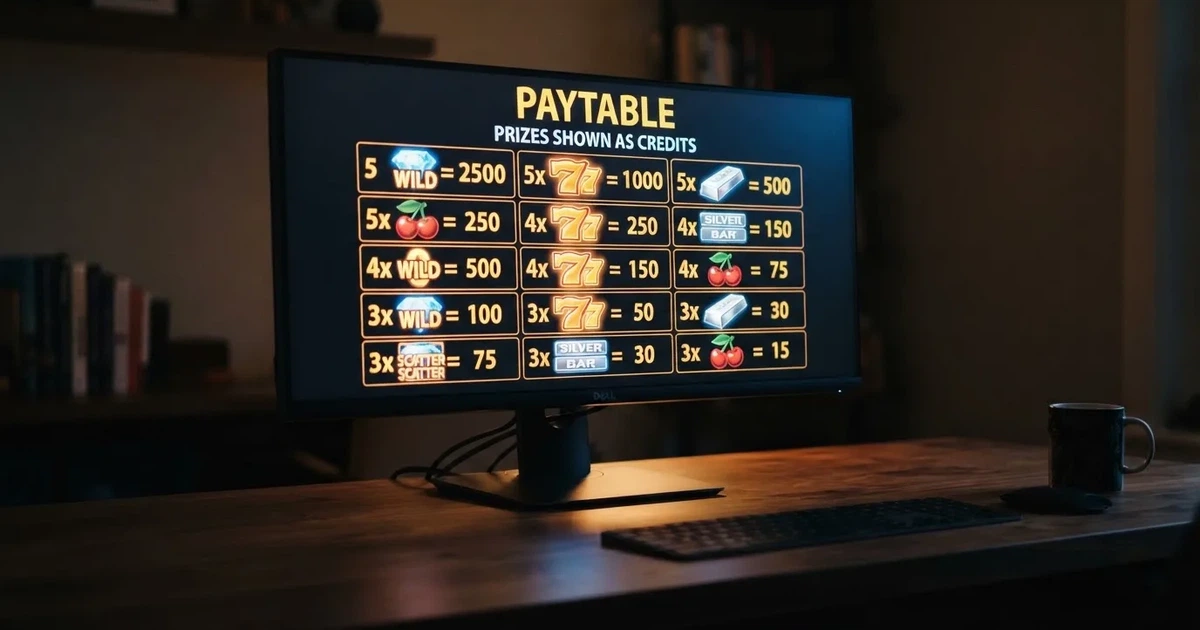
Table of Contents
- What Playtech actually makes — and what the catalogue looks like beyond the marketing
- How the Interactive Gambling Act turns every Playtech casino offer into a prohibited service
- Responsible gambling supports — and why most of them do not reach an offshore site
- Paying an offshore site — and what the credit-card and crypto ban does to a deposit
- Bonuses and free spins — and what the inducement ban does in 2026
- Mobile and app — what “Playtech mobile casino” actually delivers
- How this comparison is put together — and which criteria actually separate one option from another
- The Australian-licensed alternative — what the law does let a punter play
- Tax and winnings — the ATO position a casual punter needs to know
- What a punter does if a Playtech casino refuses to pay out
- What an Australian does if they see a Playtech game promoted by an unlicensed site
- Frequently Asked Questions
What Playtech actually makes — and what the catalogue looks like beyond the marketing
Playtech plc is a software supplier to the gambling industry, not a casino operator itself. It was founded in 1999 and is headquartered in Douglas on the Isle of Man. The parent company is listed on the London Stock Exchange as a constituent of the FTSE 250, which is the public-facing fact the marketing leans on. The operational footprint is wider than the headline: online casinos, poker, bingo, sports betting, live dealer. Acquisitions tell the same story on a longer timeline — PokerStrategy in 2013, Quickspin and Best Gaming Technology in 2016, the Italian betting and gaming firm Snaitech in 2018 — and the in-house brands underneath the parent include Virtue Fusion (bingo), iPoker (a poker network) and Playtech BGT Sports (a sports betting supplier).
The slot catalogue is what an Australian punter sees first. Playtech has produced licensed slot games built around DC Comics films — Batman v Superman: Dawn of Justice, The Dark Knight Trilogy, Suicide Squad, Justice League. Branded slots sit alongside unbranded titles and a stable of progressive jackpots that share a network across multiple operators. Outside slots, the company’s reach covers live-dealer studios, a poker network, and the bingo platform that came in with Virtue Fusion. A reader who treats “Playtech casino” as a single product is flattening three or four distinct product lines into one logo.

Two Australian-context comparisons frame the supplier question. Aristocrat Leisure Limited is the largest gambling-machine manufacturer in Australia and the second-largest slot-machine manufacturer worldwide, behind International Game Technology. Aristocrat was founded in 1953, listed on the ASX in 1996 under the ticker ALL, and reported 2025 revenue of A$6.30 billion and normalised net profit after tax and amortisation of A$1.55 billion, with 7,400 employees. Aristocrat Interactive, the regulated online real-money arm, was formed in April 2024 by combining Aristocrat’s Anaxi unit with the newly acquired NeoGames group, which includes Aspire Global, BtoBet and Pariplay. Aristocrat tried to acquire Playtech in 2021 with a US$3.7 billion bid; Playtech shareholders rejected it. The two companies sit in the same industry at very different altitudes and on opposite sides of the regulated-versus-offshore split that defines this market.
The point of the catalogue walk-through is not to praise or criticise Playtech’s range. It is to show that the brand is a serious supplier with a public listing and a long acquisitions history. A reader who takes that as a reason to trust an offshore site marketing Playtech games is reading the catalogue correctly and the legal position wrongly. The Australian law turns on what the product is and to whom it is offered, not on who made the software underneath.
How the Interactive Gambling Act turns every Playtech casino offer into a prohibited service
Online casino games and online pokies are prohibited interactive gambling services under the Interactive Gambling Act 2001. The Interactive Gambling Amendment Act 2017 strengthened the original statute and is the version in force today. What is licensable in Australia is wagering on races and sport placed before the event, lotteries and keno; no state or territory licenses online casino games or online pokies, and the Northern Territory Racing and Wagering Commission — which regulates 52 of Australia’s online bookmakers, including Sportsbet, Bet365 and Ladbrokes, for tax reasons — does not extend that licence to casino products.
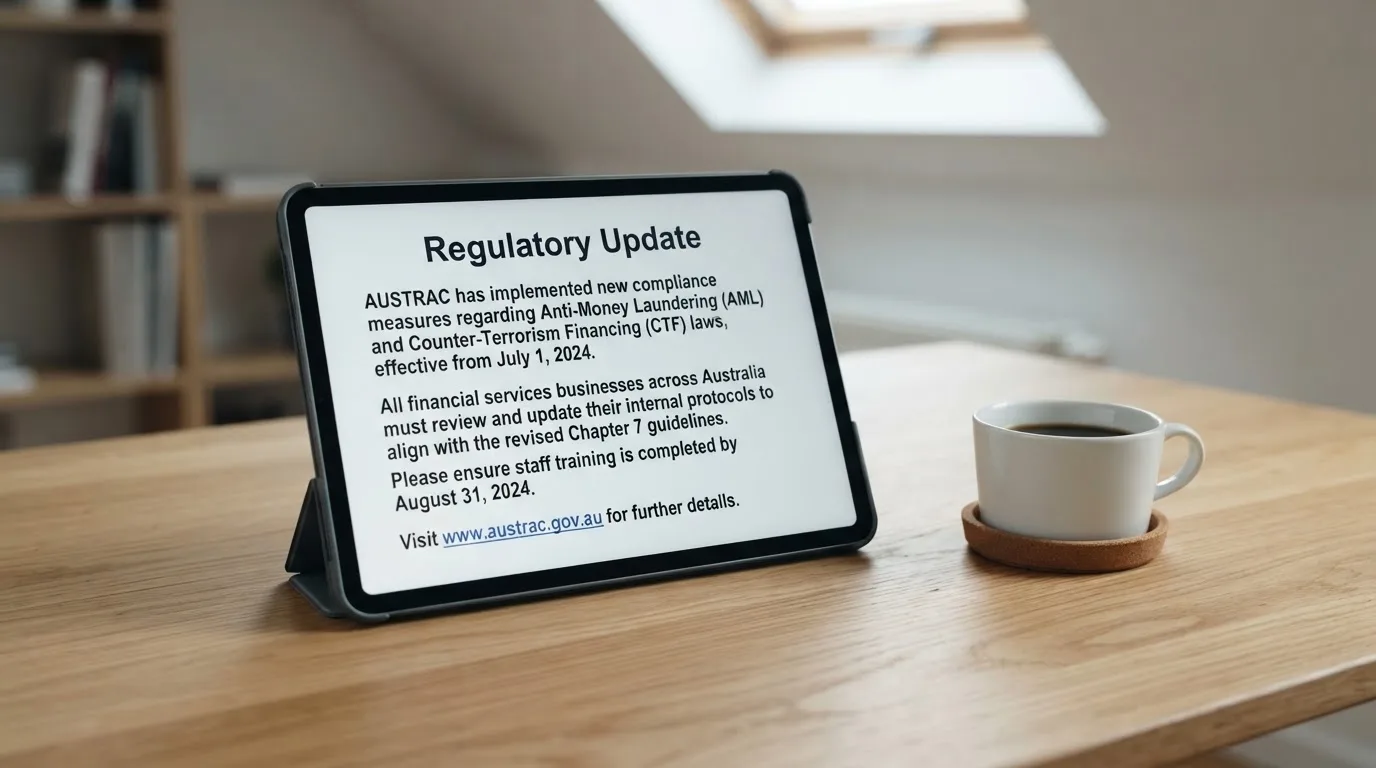
The Interactive Gambling Amendment (Gambling Reform) Bill 2026 passed Parliament on 19 August 2026. Its advertising and inducement measures commence on 1 January 2027. On a page read in 2026 the law is on the books and not yet in force; the prohibition on offering online casino games to Australians stands from the 2017 amendment and is the operative rule today.
A site offering Playtech slots to a person in Australia is offering a prohibited interactive gambling service. The licence the site displays — Curaçao, Anjouan, Malta — does not change that. A site licensed in one of those jurisdictions is licensed for the jurisdiction that issued the licence, not for Australia, and offering the product to an Australian customer is what the IGA prohibits, not the holding of an offshore licence.
What the ACMA does when an offshore site targets Australians
The Australian Communications and Media Authority investigates complaints, issues formal warnings under the IGA, and can direct Australian internet service providers to block offending sites. The individual player is not prosecuted — the IGA targets the provider — but an offshore site gives no Australian consumer protection, no complaints body and no recourse if a withdrawal is refused, and it can be blocked with a balance still on it.
By June 2026 the ACMA had asked ISPs to block a total of 1,751 illegal gambling and affiliate marketing websites since the first blocking request in November 2019, and more than 230 unlicensed gambling services had left the Australian market since enforcement was strengthened in 2017. In the round reported on 26 June 2026 the ACMA asked ISPs to block twelve more: 7Signs, ChromaBet, Donbet, Duospin, Freshbet, Slots Gem, Jacks Club, Lucky Start, Pointsbetz, Spinrise, Vinyl Casino and Wildsino. H2 Gambling Capital’s 2025 report estimates that Australians lose about A$3.9 billion a year to illegal gambling sites, and that the share of gambling going through legal channels fell from 74% in 2021 to 64%.
The blocking rate, calculated against the running total
Between the first ACMA blocking request in November 2019 and the 1,751-site running total reported in June 2026, the rate at which illegal sites have been added to Australian ISP blocklists works out to roughly 260 to 275 sites per year over the seven-and-a-bit-year window — and that is the running total alone, before counting the 230-plus services that left the market without being formally blocked. The 12 sites added in the most recent round are a single month’s work; the rate is not slowing. The condition behind the band is that the ACMA’s count includes affiliate marketing sites that promoted prohibited services, not only the casino brands themselves.
Responsible gambling supports — and why most of them do not reach an offshore site
Three supports reach an Australian punter cleanly. Gambling Help Online runs the National Gambling Helpline on 1800 858 858 — free, 24/7, with webchat. BetStop, the National Self-Exclusion Register, has been live since August 2023. State and territory self-exclusion schemes — the various “venue exclusion” registers run by state regulators — cover the licensed pubs and clubs where poker machines sit. Each of these is built around an Australian-licensed operator, an Australian phone line or an Australian venue. None of them connects to a Curaçao-licensed site offering Playtech slots over the internet to an Australian customer.
The asymmetry is the operative point. A punter who excludes themselves through BetStop excludes themselves from licensed Australian online and phone wagering services; the offshore site is not connected to the register, did not receive the exclusion request, and is under no obligation to honour it. Self-exclusion through the state venue schemes applies to physical venues, not to the offshore site that displays a Playtech logo. The 1800 858 858 number is the one support that reaches a punter regardless of which site they last played on.
Paying an offshore site — and what the credit-card and crypto ban does to a deposit
Credit cards, credit-related products and digital currency are banned as a means of payment for licensed online wagering in Australia since 11 June 2024. Penalties for an Australian-licensed operator taking a credit-card or crypto payment reach A$247,500. The ban applies to the licensed side of the market. An offshore site is not licensed under the Australian regime and is therefore not directly bound by the ban; the deposit routes the site actually accepts are its own.
What the ban does reach is the practical payment picture. A punter who reaches for a credit card or a Bitcoin wallet to fund a deposit at an offshore site is, in most cases, working outside the consumer protections that the Australian ban was designed to preserve — a chargeback through an Australian-issued credit card for a transaction the card issuer considers gambling may itself be declined; a crypto deposit into an offshore wallet is, for practical purposes, irreversible. The legal deposit routes for licensed wagering — debit card, bank transfer, PayID/Osko and BPAY — do not reach the offshore site at all, because the offshore site is not connected to the Australian payments infrastructure.
Payout speed, on the licensed side, is set by the operator’s own terms and the rails it runs on; on the offshore side, it is whatever the site chooses to publish, with no Australian recourse if a withdrawal is delayed, capped or refused. The Playtech-branded product at the offshore site is the same software as the licensed version — the supplier is irrelevant to the legality of the offering, and the payment experience on either side is governed by the operator, not the supplier.
Bonuses and free spins — and what the inducement ban does in 2026
A bonus or a free-spin package on an offshore Playtech casino is, in form, an inducement to open an account, deposit and play. The inducement picture in Australia has just changed. The Interactive Gambling Amendment (Gambling Reform) Bill 2026 passed Parliament on 19 August 2026, and its advertising and inducement measures commence on 1 January 2027. On a page read in 2026 the law is on the books and not yet in force; from 1 January 2027 it will reach offers made to Australians on prohibited services.
The mechanics the offshore sites run today — a deposit match, a bundle of free spins on a Playtech slot, a “no deposit” credit for signing up — are not bound by the Australian inducement rules while the 2026 reform is not yet in force. They are bound by the site operator’s own terms, which are written in the operator’s own jurisdiction. A wagering requirement is the standard lever: a bonus balance has to be turned over a stated multiple of the bonus before any winnings become withdrawable, and a maximum cashout cap can sit underneath that. The reader has no way to verify either figure against an Australian register, and no recourse if the operator changes the terms between deposit and withdrawal.
No working bonus, promo or voucher code is reproduced here. The offers exist; the codes and the headline percentages are marketing material that turns over faster than a regulatory update, and reproducing them would mislead. What the offer costs the punter is the wagering multiple times the bonus, in turnover, against a house edge the slot’s RTP implies — and the offer’s cost is the same arithmetic whether the code is printed or not.
Mobile and app — what “Playtech mobile casino” actually delivers
Playtech games are built in HTML5 — that is the supplier-side fact. The punter-side experience is whatever the operator wraps around it: a dedicated app downloaded from the App Store or Google Play, an Android APK sideloaded from the operator’s own site, or a browser-only play that loads the slot in the mobile browser. None of these is, on its own, a guarantee of safety. The browser-only path on an offshore site loads the same games as a regulated app on a regulated site, with the same software underneath and a different legal wrapper around the deposit and the withdrawal.
“Playtech casino app” is the search the punter runs when they want a single tap into a Playtech slot library. The result is a list of offshore operators each with its own app. The honest framing for an Australian reader is that the app or the browser is the delivery mechanism, and what the law turns on is the operator and the offering, not the device. The mobile experience of a Playtech slot is comparable to the desktop experience of the same slot; what changes between a regulated Australian wagering app and an offshore Playtech casino app is everything around the slot.
How this comparison is put together — and which criteria actually separate one option from another
A “top N” of Playtech-branded casinos is, on the Australian side, a comparison that does not run. The product is prohibited, the licensed side does not offer it, and any shortlist drawn from offshore operators is a shortlist of brands the ACMA has already acted against. The framing that fits the Australian market is the ACMA’s own record: which offshore operators have been issued formal warnings, in which month and in which year, for offering prohibited interactive gambling services to Australians. Eleven brands appear on that record, and the comparison below is built from the ACMA’s own publications rather than from affiliate marketing pages.
Five criteria do the work in a comparison of this kind, and they are not the five an affiliate page would name. The first is the date and operator named by the ACMA — the regulatory record itself, which is the only public, attributable fact about each brand’s Australian-facing operation. The second is the operating company behind the brand, because the same operator often runs several brands and the warning travels with the operator. The third is the recurrence of the warning — Dama N.V. and Consolutetish S.R.L. each appear against more than one brand, which raises the question of whether the warning changes the operator’s behaviour. The fourth is the subject-support pattern: whether the brand advertises Playtech slots to Australians at all, given that doing so is what triggered the warning in the first place. The fifth is the consumer-protection posture — what recourse an Australian punter has if a withdrawal stalls, which on the offshore side is none.
The ACMA record at a glance
The table below carries the ACMA’s own record: brand, the date and operator named in the formal warning, and whether the brand markets Playtech-branded games to Australians as far as the public record shows. Where the subject support token in the research was listings-only, the brand is shown with an em dash — the listing exists in third-party sources, not on the operator’s own terms. Where the token was no-data, the brand is left off the subject-support column entirely: there is no public record either way, and the absence is information rather than an answer.
| Brand | ACMA action and date | Operator named by the ACMA | Subject support |
|---|---|---|---|
| RocketPlay | Formal warning, March 2026 | Pulsup Ltd | — |
| Level Up Casino | Formal warning, May 2022 | Dama N.V. | — |
| Woo Casino | Formal warning, March 2025 | Dama N.V. | — |
| Spirit Casino | Formal warning, May 2025 | Dama N.V. | — |
| National Casino | Formal warning, July 2025 | Consolutetish S.R.L. | — |
| Bizzo Casino | Formal warning, July 2025 (earlier TechSolutions, 2022) | Consolutetish S.R.L. | — |
| Ignition Casino | Formal warning, July 2025 | Bamboo Media | — |
| Instant Casino | Formal warning, February 2025 | EOD Code SRL | — |
| Jackbit | Formal warning, April 2026 | Ryker B.V. | — |
| Casino Intense | Formal warning, April 2025 | Sterplay Holding Ltd | — |
| Sky Crown | Formal warning, September 2022 | Hollycorn N.V. | — |
The pattern in the table is the substance of the comparison. Six of the eleven warnings landed against operators running multiple brands — Dama N.V. alone is named against Level Up, Woo and Spirit, and Consolutetish S.R.L. against National and Bizzo. A warning to an operator does not necessarily reach its sister brands; the ACMA names the brand that triggered the action, and the same operator reappears on the record when another of its brands is acted against. Two of the eleven brands — National Casino and Casino Intense — appear in third-party listings as venues carrying Playtech-adjacent slots from suppliers such as Betsoft and 1spin4win; the listing is a marketing surface, not a confirmation that the operator is licensed to offer those games to Australians.
What the same record looks like brand by brand
RocketPlay. The ACMA issued a formal warning to Pulsup Ltd over Rocketplay in March 2026; the same brand had earlier been the subject of a formal warning to Dama N.V. in May 2022. The brand has changed hands since the 2022 warning — the ACMA’s 2026 action names a different operator — and the change of operator is the only thing the public record says has changed. The product offered is the same prohibited interactive gambling service. For a reader who sees the brand name carry across both warnings, the read is that rebranding did not change what the regulator sees.
Level Up Casino. The ACMA issued a formal warning to Dama N.V. over Level Up Casino in May 2022, as part of the same round that covered Bambet, Dazard, Rocketplay, Wild Tornado and Cobra Casinos. The brand sits inside the Dama cluster — three of the eleven warnings on this record name Dama N.V., and the 2022 batch alone named six brands at the same operator. A reader choosing between any of the Dama brands is choosing between brands the regulator has already grouped together, not between distinct operators.
Woo Casino. The ACMA issued a formal warning to Dama N.V. over Woo Casino in March 2025, two years and ten months after the same operator was warned over a different cluster of brands. The gap is the substance here: a warning to an operator in 2022 did not prevent the same operator marketing a different brand to Australians in 2025. The reader looking for a brand whose operator has “cleaned up” since the first warning has no such brand on this record.
Spirit Casino. The ACMA issued a formal warning to Dama N.V. over Spirit Casino in May 2025, two months after the same operator was warned over Woo Casino. Two warnings to the same operator inside ten weeks is the regulatory signal that the operator’s behaviour did not change between warnings. Spirit sits in the same Dama cluster as Level Up and Woo, and the read across the three is the same.
National Casino. The ACMA issued a formal warning to Consolutetish S.R.L. over National Casino in July 2025. National appears in third-party listings as a venue for slots by suppliers including Betsoft and Pragmatic Play, and the listings are how a reader searching “Playtech casino Australia” reaches the brand — the listing says the slot exists at the venue, not that the operator is licensed to offer it to Australians.
Bizzo Casino. The ACMA issued a formal warning to Consolutetish S.R.L. over Bizzo Casino in July 2025; the same brand had already been the subject of a 2022 formal warning to TechSolutions (CY) Group Limited and TechSolutions Group N.V. The brand has changed hands since the 2022 warning — the ACMA’s 2025 action names a different operator — and the warning is the second against the brand across either operator. The pattern is the RocketPlay pattern: a brand change does not clear the record.
Ignition Casino. The ACMA issued a formal warning to Bamboo Media over Ignition Casino in July 2025. Ignition is a brand long associated with offshore poker and casino operations targeting multiple jurisdictions, and the warning is the ACMA’s first against this particular operator for this particular brand. The reader has no record to compare against; the warning is the record.
Instant Casino. The ACMA issued a formal warning to EOD Code SRL over Instant Casino in February 2025. The brand name — “Instant Casino” — is part of a wider pattern of offshore operators choosing English-language brand names that read as ordinary consumer sites, and the regulator has acted against this one for the same product the rest of the cluster offers.
Jackbit. The ACMA issued a formal warning to Ryker B.V. over Jackbit and CasinOK in April 2026 — one warning, two brands, the same operator. The April 2026 warning is the most recent on this record and the one that defines how current the picture is. Ryker B.V. is named against both brands in the same action, which is the regulatory signal that the operator’s behaviour is the issue rather than any single brand’s marketing.
Casino Intense. The ACMA issued a formal warning to Sterplay Holding Ltd over Casino Intense in April 2025. Casino Intense appears in third-party listings as a venue for slots by 1spin4win, and the listing is what carries the brand into a search for “Playtech casino Australia” — even where the slot listed is not in fact a Playtech slot. The brand sits at the intersection of the listings economy and the regulatory record.
Sky Crown. The ACMA issued a formal warning to Hollycorn N.V. over Sky Crown and Blue Leo — two brands under one warning — with the publication carried in September 2022. Sky Crown and Blue Leo are named together because the regulator groups brands at the same operator into one action, and the read is the same as the Jackbit read: the operator is the unit of behaviour, not the brand.
The pattern across the eleven brands
Eight operators sit behind eleven brands. Dama N.V. runs three of them; Consolutetish S.R.L. runs two; the rest run one each. A formal warning from the ACMA does not, in itself, force an offshore operator to stop offering the prohibited product to Australians — the ACMA’s record shows the same operators being warned again, sometimes over different brands, sometimes over the same brand under a new operating company. The reader looking for a brand that has “moved on” since its warning is reading the record for a signal the record does not carry.
The Australian-licensed alternative — what the law does let a punter play
The Australian-licensed online wagering market covers racing, sport and lotteries, not casino games. Sportsbet, Bet365, Ladbrokes and the rest of the 52 brands the Northern Territory Racing and Wagering Commission regulates are licensed for pre-event wagering — the bets that are placed before a race starts or before a sporting event begins. In-play betting — placing a bet after the event has started — was added to the prohibition by the 2017 amendment and is not licensable.
Land-based play is the other side of the legal picture. Poker machines — “pokies” — sit in licensed pubs and clubs, with state and territory regulators setting the machine approval, the operating hours and the venue-level self-exclusion. Aristocrat Leisure is the largest gambling-machine manufacturer in Australia and supplies many of those machines. Playtech does not have an equivalent onshore footprint in Australia — the supplier’s reach is through the offshore sites that market its slots, and the land-based Australian market is supplied by other manufacturers, with Aristocrat at the top of the list.
The practical read for an Australian punter who wants to play a slot-style game is that the legal option is a poker machine in a licensed pub or club, in a state where the venue is licensed and the machine is approved, with the venue-level self-exclusion that comes with the state scheme. The offshore Playtech casino is the option the IGA prohibits and the ACMA acts against.
Tax and winnings — the ATO position a casual punter needs to know
Gambling winnings of a recreational player are not assessable income in Australia, under section 6-5 of the Income Tax Assessment Act 1997. Losses are not deductible. The exception is a person who carries on a business of gambling — a professional punter, in the ATO’s working sense — for whom the income and losses are treated as business income and outgoings. The threshold for “business of gambling” is high and the ATO publishes guidance for the small number of cases where it applies. For the reader who plays a slot occasionally, the rule is: winnings are tax-free, losses cannot be claimed, and the ATO does not need to be told. The model only is “check with the ATO” if the punter’s activity starts to look like a business.
The tax position is the same whether the slot is a Playtech slot at an offshore site or an Aristocrat machine in a pub. The legal status of the offering is what differs. Winnings from the offshore site are still not assessable income in the recreational case; the question is whether the punter can get them out, which is a question for the operator’s own terms and the operator’s own jurisdiction, not for the ATO.
What a punter does if a Playtech casino refuses to pay out
There is no Australian complaints body for an offshore site. The Australian Financial Complaints Authority does not reach a Curaçao-licensed operator. The operator’s own jurisdiction — typically Curaçao, Anjouan or Malta — has its own regulator, and the operator’s own terms usually route disputes to that regulator or to an arbitration service the operator has appointed. The practical reality is that a withdrawal dispute with an offshore site is hard to win, slow to resolve and decided outside Australia. The ACMA can act against the operator for offering the prohibited service; it cannot order a withdrawal.
The first move when a withdrawal stalls is the operator’s own complaints process — in writing, with timestamps, and with the deposit and the balance clearly stated. The second move, if the operator does not respond, is the chargeback or dispute path through the deposit method — debit card, credit card, crypto wallet, bank transfer — which is why the payment method chosen at deposit matters more than the payment method chosen at withdrawal. The third move is the regulator in the operator’s own jurisdiction, with the realistic expectation that the outcome will take months and may not recover the full balance. None of these is an Australian recourse; all of them sit outside Australia.
What an Australian does if they see a Playtech game promoted by an unlicensed site
The ACMA takes reports from members of the public about illegal online gambling services. The reporting path is on the ACMA’s own site, and reports are treated as intelligence — they do not, on their own, force action against a site, but they feed the ACMA’s picture of which operators are targeting Australians and which brands to warn or block next. A punter who sees a Playtech slot advertised on a site without an Australian licence can report the advertisement; a punter who has already deposited and lost at the site is in a different position and the practical answer is the complaints path described above, not a regulator report.
The wider picture is the reason the ACMA wants the reports. Eleven brands on this record were reported by someone, somewhere, and the ACMA has acted against each of them. The report path is one of the few inputs the regulator accepts that does not require the punter to have lost money first.
Frequently Asked Questions
Is Playtech legally available to players in Australia?
No. Playtech is a software supplier, not the party the Interactive Gambling Act prohibits. The product it makes — online casino games and online pokies — is a prohibited interactive gambling service, and the IGA targets whoever offers that product to a person in Australia. A site marketing Playtech slots to an Australian customer is offering a prohibited service regardless of the licence the site displays.
What kinds of games does Playtech make?
Playtech supplies software for online casinos, poker, bingo, sports betting and live dealer games. The slot catalogue includes branded titles built around DC Comics films — Batman v Superman: Dawn of Justice, The Dark Knight Trilogy, Suicide Squad, Justice League — alongside unbranded slots and a stable of progressive jackpots that share a network across multiple operators. In-house brands underneath the parent include Virtue Fusion (bingo), iPoker (poker network) and Playtech BGT Sports (sports betting supplier).
Are Playtech games offered at land-based venues in Australia?
Not directly. Playtech is an online and live-dealer software supplier; it does not manufacture the kind of electronic gambling machines that sit in Australian pubs and clubs. Aristocrat Leisure is the largest gambling-machine manufacturer in Australia and the second-largest slot-machine manufacturer worldwide, and Aristocrat machines — pokies — are the legal onshore slot-style product. The Playtech-branded slot experience an Australian punter sees online is the offshore side; the Aristocrat machine a punter sees in a pub is the onshore side.
How can Australians check whether a Playtech title is fair before ever considering play?
The fairness check runs through the supplier’s testing rather than through an Australian register, because Australia does not license the product. Playtech games are tested by independent laboratories — Quinel, GLI and similar — and the certification appears in the game’s paytable and on the supplier’s own documentation. The check a punter can make before deposit is the operator’s own licence and the regulator in the operator’s jurisdiction; the check the punter cannot make is whether the operator will pay out, because the offshore operator is not bound by Australian consumer law and the ACMA cannot order a withdrawal.
Why do offshore sites keep advertising Playtech games to Australian visitors?
Because the marketing reaches Australians cheaply and the offshore site has no Australian footprint to lose. A block by an Australian ISP removes the site from Australian viewers, not from every other jurisdiction, and the operator can rebrand, change its operating company and re-list the same Playtech games under a new URL. The pattern in the ACMA’s record — six of the eleven warnings against operators running multiple brands, and several warnings against the same brand under a new operator — is the same pattern at work across the offshore market.
What should an Australian do if they see a Playtech game promoted by an unlicensed site?
Report the advertisement to the ACMA. The report is treated as intelligence and feeds the regulator’s picture of which operators are targeting Australians; it does not, on its own, force action against the site. A punter who has already deposited and lost is in a different position and the practical answer is the operator’s own complaints process, the deposit-method dispute path and the regulator in the operator’s jurisdiction — none of them an Australian recourse, all of them outside Australia.